





 UK Delivery Only £35
 ISO 9001 Quality
 Reliable Service
 Est. 1975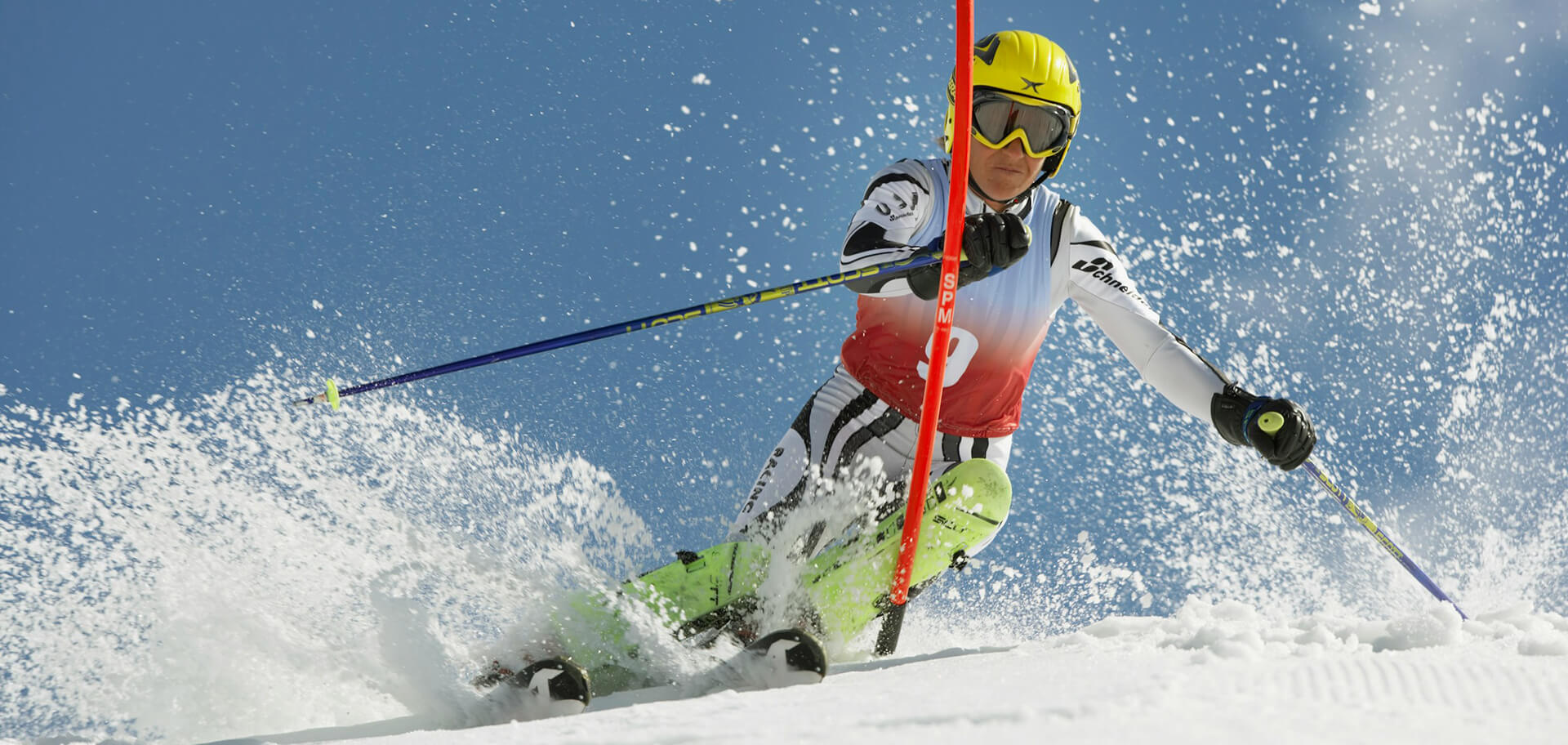
Bobsleigh Runners
Modern bobsleighs rely on high-performance steel runners to withstand extreme G-forces and speeds up to 90 mph. Before steel, runners were made from wood or iron strips, which warped or wore unevenly on the ice. Today, steel runners provide strength, durability, and precision, gliding smoothly while gripping the ice — allowing athletes to shave fractions of a second off their runs safely.
Ice Skates
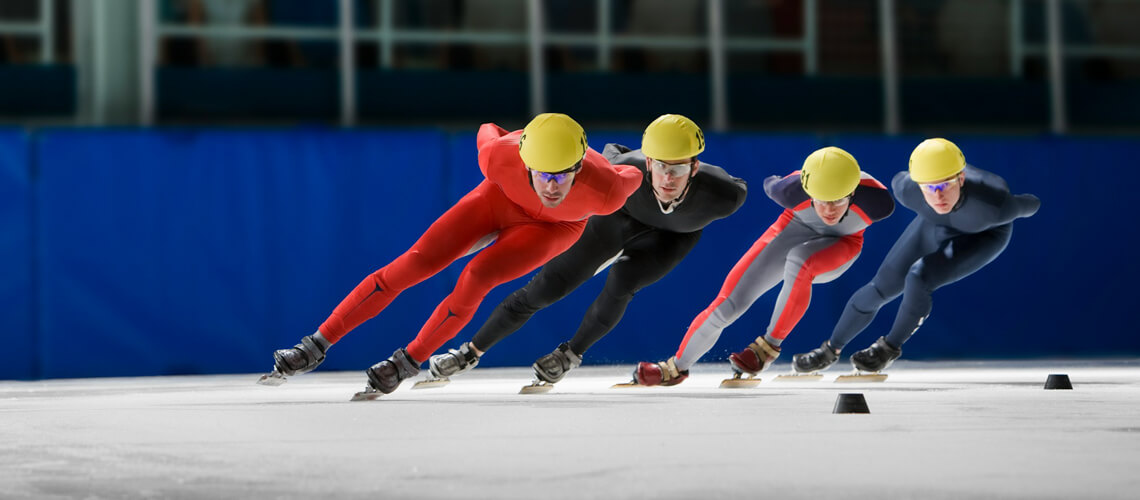
Elite figure and speed skating wouldn’t be possible without precision steel blades. Early skates were made from animal bone, copper, or simple iron, which dulled quickly and offered little control. Modern steel blades are finely honed, perfectly balanced, and responsive, giving athletes the literal edge to perform spins, jumps, and sprints with pinpoint accuracy.
Ski Edges
Skiers carve down icy slopes thanks to steel-edged skis, providing grip, durability, and control. Before steel, skis had basic iron or wooden edges, which struggled in icy conditions. Today, steel edges allow skiers to maintain stability at high speeds, tackle sharp turns, and navigate demanding courses with confidence.
Without steel, many of the Winter Olympic sports we love — skiing, ice hockey, luge, figure skating, and bobsleigh — simply wouldn’t exist in their current form. It’s the unsung hero transforming raw ice and snow into arenas of precision, speed, and skill.
Did You Know? Steel in Winter Sports
- Bobsleigh speeds: Steel runners on a bobsleigh can withstand forces up to 5G — the same force astronauts experience during a rocket launch.
- Ice skate precision: A top figure skater’s blade edge is only about 1 mm wide, yet strong enough to perform high-speed spins and jumps.
- Ski slope grip: Steel edges allow skiers to cut through ice at speeds over 80 mph, making even the slipperiest slopes controllable.
It goes to show that behind every spin, jump, and slide, steel is working just as hard as the athletes themselves.
From the Winter Olympics to Everyday Industry
The qualities that make steel essential in sport — strength, precision, and reliability — are the same qualities we deliver every day at West Yorkshire Steel. Whether it’s high-performance steels for tools, engineering components, or specialist applications, we know that when steel performs, success follows.

As we cheer on the athletes this winter, we’re proud to celebrate the material that makes their feats possible — the quiet champion of every glide, jump, and slide: steel.